Catalogue package 026
8-Day Samburu, Mount Kenya, Lake Nakuru & Masai Mara Safari
Journey overview
This eight-day Kenya safari moves from the arid north at Samburu through the Mount Kenya highlands, into the Great Rift Valley at Lake Nakuru and finally to the Masai Mara. The Mount Kenya stop is treated as a highland safari stay rather than a summit climb unless Land Rail confirms a specific activity.
Safari Highlights
- Two nights in Samburu
- Mount Kenya highland scenery
- Lake Nakuru National Park
- Three nights in the Masai Mara
- Four contrasting landscapes
The route
01
Nairobi
02
Samburu
03
Mount Kenya Region
04
Lake Nakuru
05
Masai Mara
06
Nairobi
Day-by-day itinerary
Day 1
Nairobi to Samburu
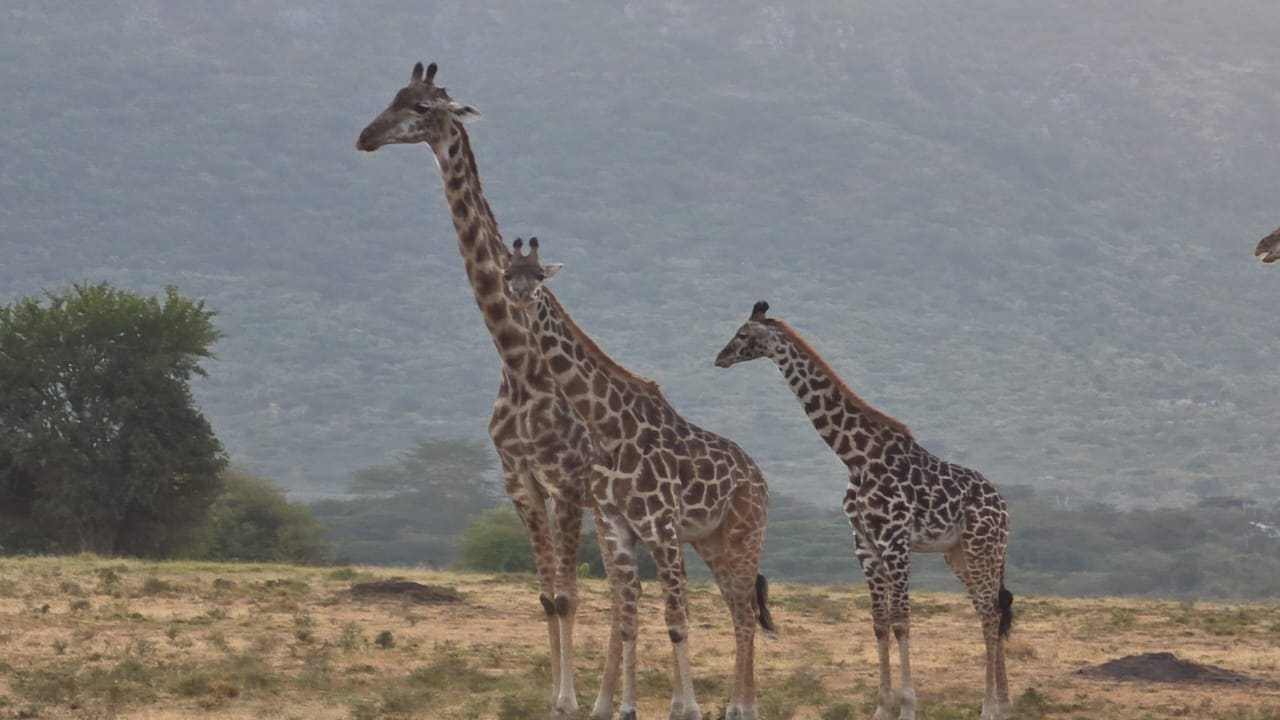
Leave Nairobi and travel north toward Samburu. Arrive and head out for an afternoon game drive where time permits. The setting is semi-arid northern rangeland of doum palms and riverine forest along the Ewaso Ng'iro river. There is the possibility of seeing elephant, lion, leopard and the dry-country species often called the Samburu Special Five, though sightings are never guaranteed. Northern Kenya holds species rarely seen further south, including Grevy's zebra, reticulated giraffe, Beisa oryx, gerenuk and Somali ostrich. Your safari vehicle and guide are used by your party alone. Dinner and overnight are at your accommodation in Samburu.
Day 2
Samburu — Full-Day Safari
Spend the day exploring Samburu’s riverine and semi-arid habitats for elephants, predators and northern Kenya specialist species. The setting is semi-arid northern rangeland of doum palms and riverine forest along the Ewaso Ng'iro river. Wildlife commonly associated with the area includes elephant, lion, leopard and the dry-country species often called the Samburu Special Five. Northern Kenya holds species rarely seen further south, including Grevy's zebra, reticulated giraffe, Beisa oryx, gerenuk and Somali ostrich. Dinner and overnight are at your accommodation in Samburu.
Day 3
Samburu to Mount Kenya Region
Leave Samburu and travel toward the Mount Kenya region. Check in to the confirmed accommodation and enjoy the highland setting. Do not describe this as a summit climb unless a trekking activity is specifically part of the booking. The setting is the forested lower slopes and farmland around Mount Kenya, Africa's second-highest mountain. Wildlife commonly associated with the area includes black-and-white colobus, Sykes's monkey and montane forest birds. A stay in the Mount Kenya region is about the forest and highland setting; it is not a summit climb unless trekking is specifically booked. Dinner and overnight are at your accommodation in Mount Kenya Region.
Day 4
Mount Kenya Region to Lake Nakuru
After breakfast, travel toward Lake Nakuru National Park. Arrive for afternoon game viewing where timing allows. This part of the journey takes in a Rift Valley soda lake ringed by yellow-barked acacia woodland and steep escarpment viewpoints. Wildlife commonly associated with the area includes black and white rhino, Rothschild's giraffe, buffalo, waterbuck and dense birdlife. The park operates as a sanctuary and is one of Kenya's more reliable places to look for rhino; flamingo numbers on the lake rise and fall with water levels. Dinner and overnight are at your accommodation in Lake Nakuru.
Day 5
Lake Nakuru to Masai Mara
Enjoy final Nakuru game viewing if required, then continue toward the Masai Mara. Arrive and settle into the selected camp or lodge. This part of the journey takes in open savanna grassland, acacia stands and the rolling country of the greater Mara ecosystem. Wildlife commonly associated with the area includes lion, cheetah, elephant, giraffe, buffalo and large herds of plains game. The reserve is best known for its big cat densities, and between roughly July and October the wildebeest migration commonly moves through the ecosystem. Dinner and overnight are at your accommodation in Masai Mara.
Day 6
Masai Mara — Full-Day Safari
Spend a full day exploring the Mara’s open plains and riverine habitats for predators and plains wildlife. The setting is open savanna grassland, acacia stands and the rolling country of the greater Mara ecosystem. Wildlife commonly associated with the area includes lion, cheetah, elephant, giraffe, buffalo and large herds of plains game. The reserve is best known for its big cat densities, and between roughly July and October the wildebeest migration commonly moves through the ecosystem. Dinner and overnight are at your accommodation in Masai Mara.
Day 7
Masai Mara — Second Full Safari Day
Use the additional day to explore a different section of the ecosystem or revisit productive wildlife areas. Migration activity is seasonal. The setting is open savanna grassland, acacia stands and the rolling country of the greater Mara ecosystem. Wildlife commonly associated with the area includes lion, cheetah, elephant, giraffe, buffalo and large herds of plains game. The reserve is best known for its big cat densities, and between roughly July and October the wildebeest migration commonly moves through the ecosystem. Dinner and overnight are at your accommodation in Masai Mara.
Day 8
Masai Mara to Nairobi
Enjoy the final morning in the Mara before travelling back to Nairobi. The setting is Kenya's highland capital and the usual start and end point for road safaris. Nairobi is the arrival and departure hub for most Kenyan safari itineraries. Your Land Rail arrangements end with the drop-off at your Nairobi hotel or the airport.
Safari FAQs
Does this itinerary climb Mount Kenya?
Not by default. The source package names Mount Kenya, but the final activity must be confirmed.
What makes Samburu different from the Masai Mara?
Samburu is drier and supports distinctive northern species, while the Mara is open savannah with a different wildlife community.
How much time is spent in the Mara?
This itinerary uses three nights.
Is Lake Nakuru included for rhino viewing?
Yes, although individual wildlife sightings are never guaranteed.
Loading enquiry form…